
Thescreescore – The highly anticipated loose sequel to David Fincher’s acclaimed 2010 masterpiece, The Social Network, has been a topic of fervent discussion among cinephiles. Titled The Social Reckoning, the film is set to hit theaters next month, but notably absent from the director’s chair is Fincher himself. Instead, the visionary behind the original screenplay, Aaron Sorkin, has taken the reins as both writer and director. Now, Sorkin has finally offered a candid explanation for Fincher’s non-involvement, shedding light on the intricate web of industry commitments and timely political relevance that shaped the production.
Speaking to IndieWire, Sorkin revealed that Fincher was, in fact, his primary choice to direct the follow-up. "I wanted David to direct it, but [he] couldn’t," Sorkin stated, attributing Fincher’s unavailability to an exclusive contractual agreement with Netflix. The director of Fight Club and Gone Girl was reportedly tied up with another project, The Further Misadventures of Cliff Booth, making his participation impossible.
Beyond Fincher’s scheduling conflicts, Sorkin emphasized a critical temporal factor influencing his decision to proceed without his former collaborator. Even if Netflix had granted Fincher an exception to work with Sony, Sorkin believed a delay would have severely hampered the film’s impact. "I didn’t want The Social Reckoning to come out a year after the midterm elections," he explained. "I didn’t think we were going to be in the mood anymore. I wanted it to come out now." This urgency stems from the sequel’s pertinent political subject matter. While The Social Network chronicled Facebook’s genesis, The Social Reckoning delves into the exposé of a journalist and whistleblower uncovering how Facebook executives knowingly allowed their algorithms to propagate misinformation and contribute to negative mental health outcomes.

Related Post


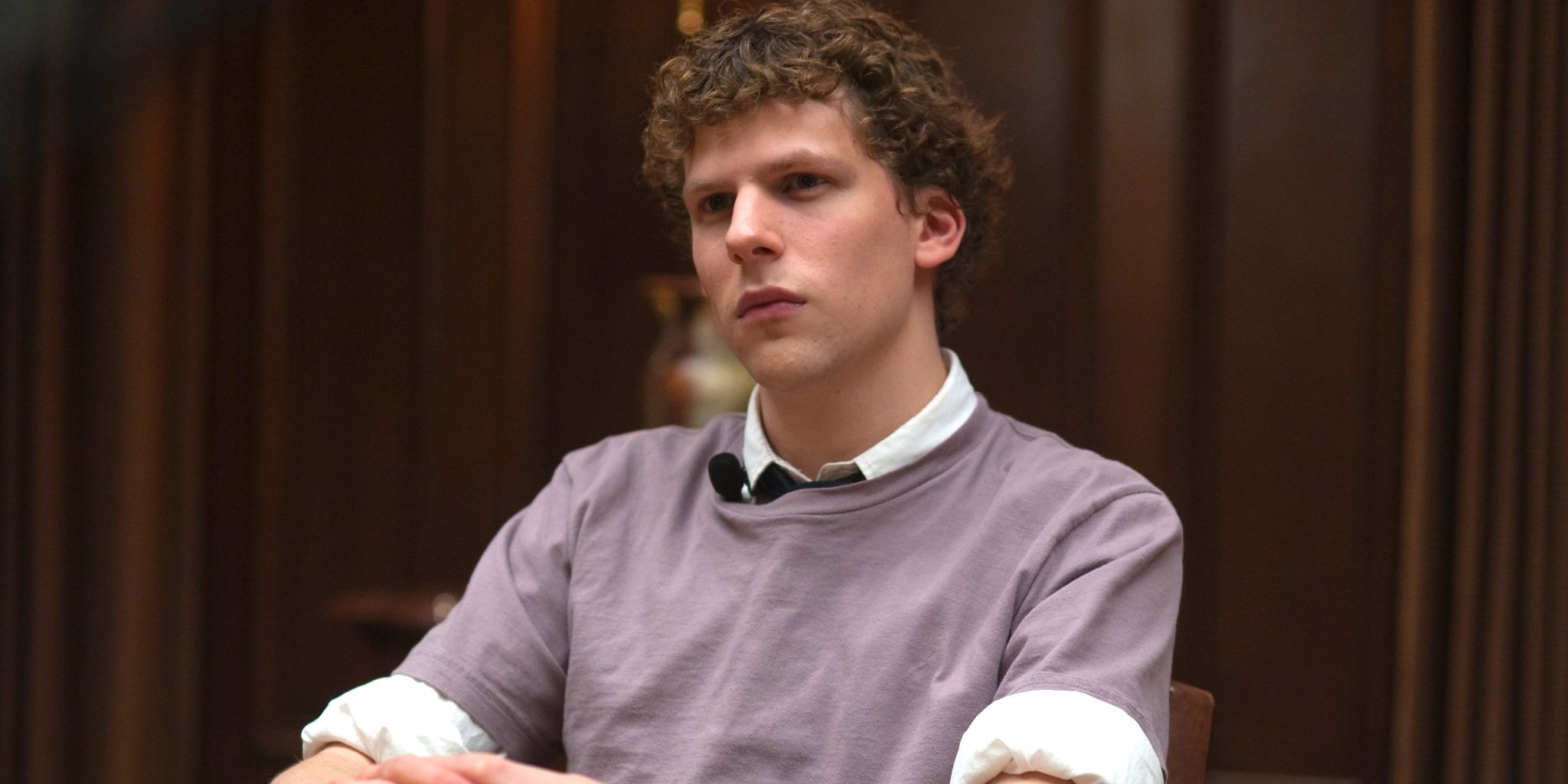
Despite his inability to direct, Fincher remained an integral, albeit supportive, presence during the script’s development. Sorkin shared that Fincher was the first to review the screenplay, offering enthusiastic encouragement. However, one significant challenge emerged early on: the departure of Jesse Eisenberg, who declined to reprise his role as Mark Zuckerberg. Sorkin recalled Fincher’s initial confidence, remarking, "the only person really who could bend us over a table is Jesse, and we just all assumed Jesse was going [to play Zuckerberg again]." Ultimately, the role was recast with Jeremy Strong, whose critically lauded performances in Succession and The Apprentice have instilled confidence in his portrayal of the tech titan.
The ensemble cast for The Social Reckoning is robust, featuring Emmy winner Jeremy Allen White as journalist Jeff Horwitz and Oscar winner Mikey Madison as whistleblower Frances Haugen, alongside Wunmi Mosaku, Betty Gilpin, Billy Magnussen, and Bill Burr.
Sorkin’s journey to the director’s chair for this project is particularly noteworthy, given his own evolution as a filmmaker. Since The Social Network, he has successfully helmed three features: Molly’s Game, The Trial of the Chicago 7, and Being the Ricardos. Intriguingly, Sorkin almost made his directorial debut with The Social Network itself, as producer Scott Rudin and then-Sony head Amy Pascal initially urged him to direct. Sorkin recounted his apprehension: "I got very nervous, and I said, ‘OK, listen, let’s just send the script to David Fincher, he’s going to pass, he passes on everything, and if he passes, I’ll direct it.’" It’s a testament to Fincher’s indelible cinematic vision that The Social Network is now unimaginable without his distinctive touch, a film whose enduring legacy is a harmonious blend of Sorkin’s incisive writing and Fincher’s masterful direction.
Acknowledging the unique visual prowess Fincher brings, Sorkin humbly admitted, "There’s a limit to how much someone like me can learn from someone like David just by watching. It would be like me watching Baryshnikov, and then being able to dance — just watching him isn’t going to do the trick." He specifically lauded Fincher’s "magnificent eye for the frame," a quality he recognized he couldn’t simply imitate. To bridge this gap, Sorkin strategically assembled a formidable crew, notably recruiting Jeff Cronenweth, the cinematographer behind both Fight Club and The Social Network. Sorkin explained his approach: "I try to create a director in the aggregate, by bringing in the right DP, the right production designer, the right costume designer, et cetera."
The Social Network remains a cinematic benchmark of the 21st century, its cultural resonance undiminished despite its controversial Best Picture loss to The King’s Speech. While it’s a formidable challenge for any sequel to match such a towering achievement, Sorkin’s commitment to timely storytelling and his deliberate efforts to honor the original’s aesthetic, even without Fincher at the helm, suggest The Social Reckoning could still deliver a spectacular and relevant cinematic experience.
The Social Reckoning is slated for theatrical release on October 9, 2026. For more exclusive film news and analysis, keep an eye on thescreescore.com.






Leave a Comment