
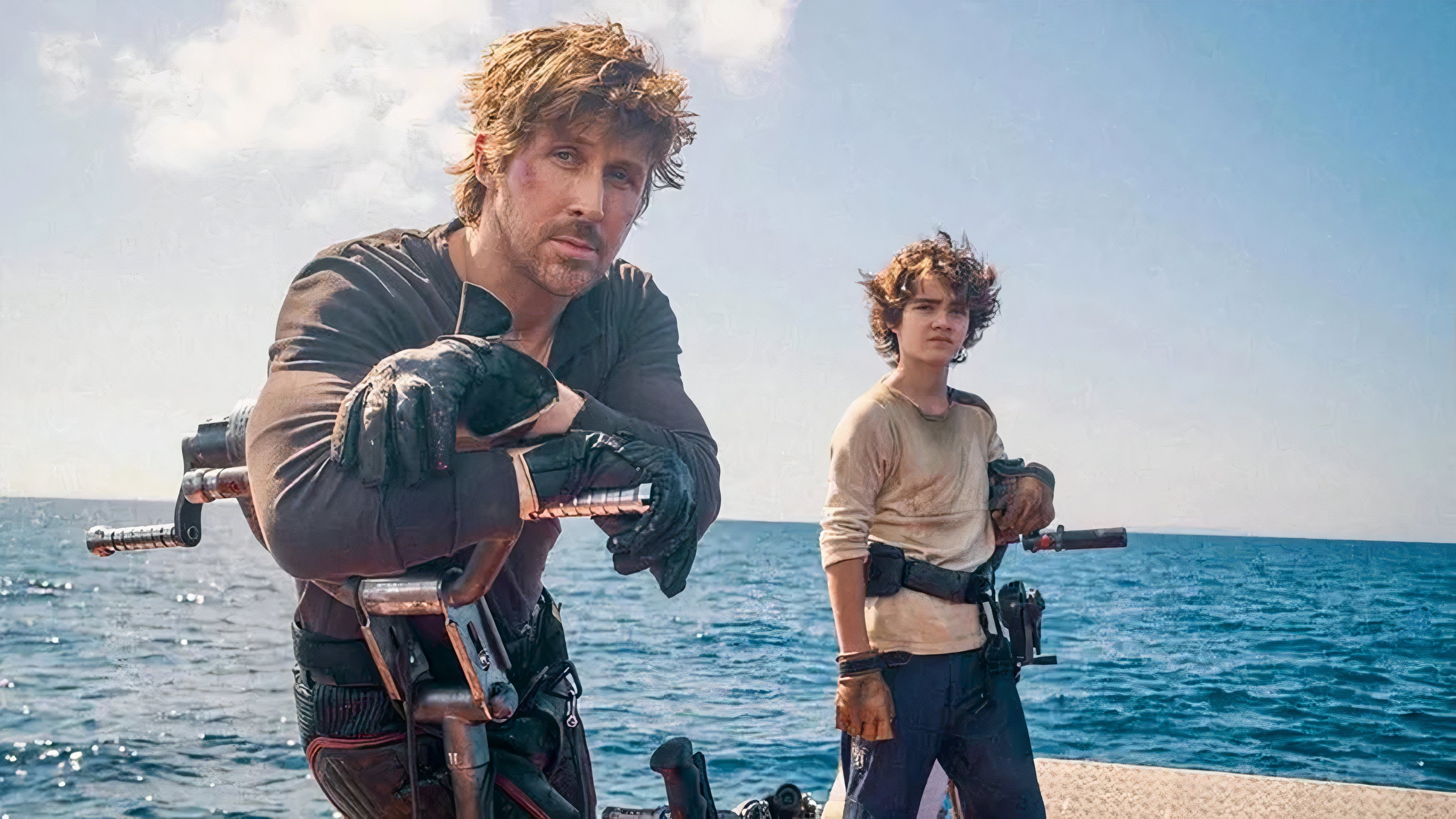
Thescreescore – The Star Wars saga, a cultural phenomenon that has captivated generations, is far more than just a series of films. It’s a sprawling narrative woven with groundbreaking cinematic achievements, shrewd business decisions, and iconic moments that have indelibly altered the landscape of popular culture. From its humble beginnings to its current expansive universe, the journey of Star Wars is a testament to visionary storytelling and relentless innovation. Let’s delve into some of the pivotal revelations and behind-the-scenes insights that truly defined this legendary franchise.
The cinematic universe we know today began with "Star Wars" (later "Episode IV: A New Hope"), which premiered on May 25, 1977. Initially released in a mere 32 American theaters, 20th Century Fox’s skepticism quickly gave way to unprecedented success. The film swiftly expanded to over 1,000 screens, grossing $307 million domestically and clinching six Academy Awards, fundamentally reshaping the summer blockbuster model for decades to come. Behind this revolution was a then-32-year-old George Lucas, an "American Graffiti" alumnus whose ambitious project faced considerable hurdles. His legendary decision to forgo a higher upfront salary for back-end profits and merchandising rights proved to be a stroke of genius, laying the financial bedrock for Lucasfilm and pioneering the modern licensing empire. While Lucas returned to direct the prequel trilogy (1999-2005), he later stepped away from the original trilogy sequels after selling Lucasfilm to Disney.
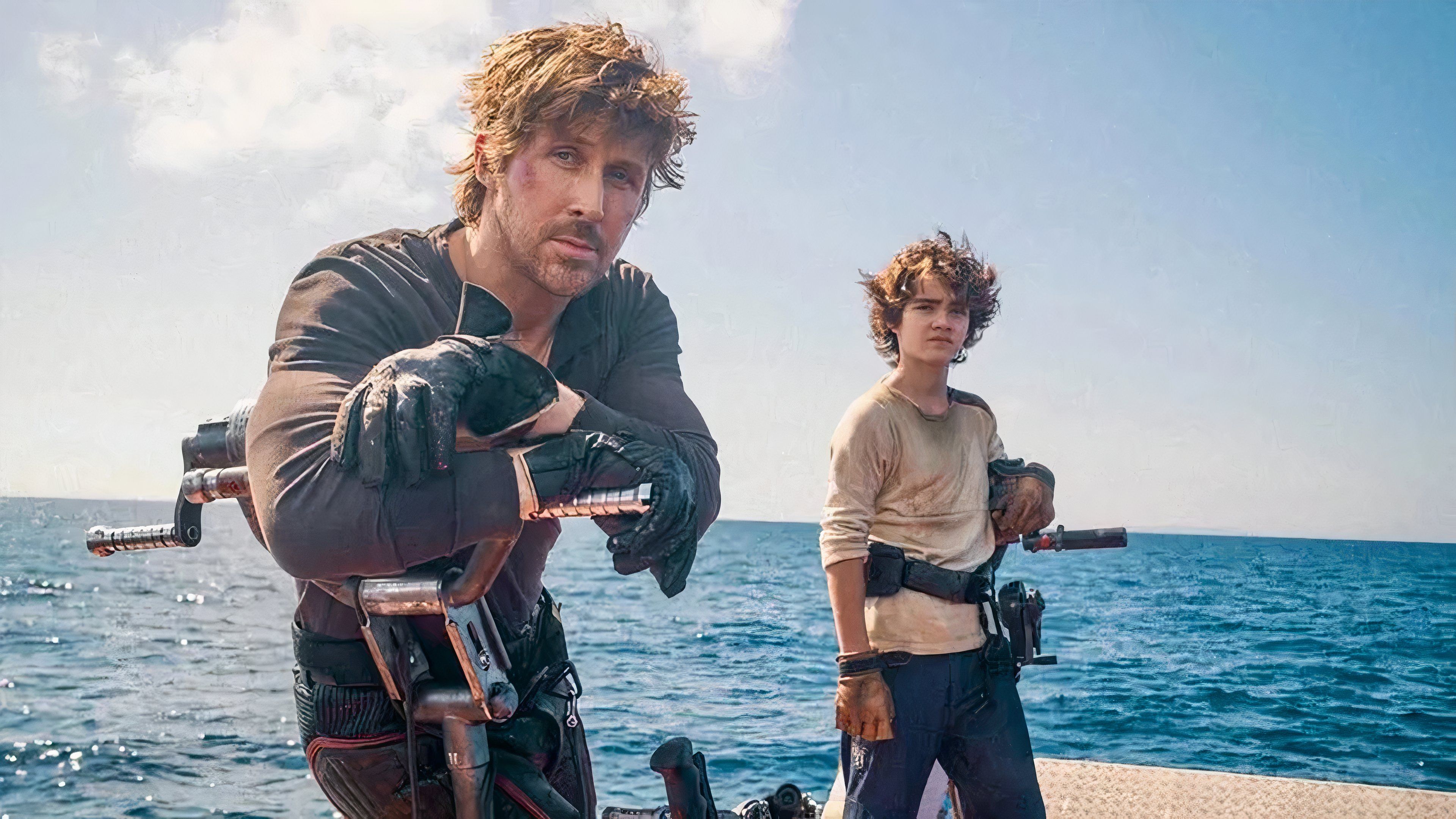
The saga’s narrative prowess reached an early peak in 1980 with "The Empire Strikes Back." Its climax delivered one of cinema’s most famous and frequently misquoted lines: "No, I am your father." This shocking revelation, confirming Darth Vader as Luke Skywalker’s father, Anakin Skywalker, was so meticulously guarded that even Mark Hamill learned the true dialogue only on set, and James Earl Jones recorded his voiceover without full plot context. This twist redefined narrative possibilities for trilogies and cemented its place in cinematic history. Another enduring figure, the enigmatic Jedi Master Yoda, made his debut in "Empire." This green, ear-twitching sage was brought to life by Muppet veteran Frank Oz, who not only puppeted the character through "The Phantom Menace" but also lent his distinctive voice to Yoda across films and animated series, even after CGI took over the physical performance. The unique syntax and profound wisdom of Yoda were a collaborative creation between Lucas and Oz.

Related Post


A monumental shift occurred on October 30, 2012, when Disney acquired Lucasfilm Ltd. for $4.05 billion in cash and stock. This landmark deal brought the entire Star Wars and Indiana Jones franchises, along with industry giants ILM and Skywalker Sound, under the Disney umbrella. Crucially, it also ignited the production of the sequel trilogy, with "Star Wars: Episode VII" announced for a 2015 release, ushering in the franchise’s modern era under the stewardship of Kathleen Kennedy. The Disney+ era began with a bang on November 12, 2019, with the launch of "The Mandalorian." Created by Jon Favreau and overseen by Dave Filoni, this flagship series introduced Din Djarin, a helmeted bounty hunter (portrayed by Pedro Pascal and body double Brendan Wayne) who unexpectedly becomes a foster father to the beloved "Child," Grogu. "The Mandalorian" is widely credited for revitalizing Star Wars on television, popularizing the innovative StageCraft LED-volume virtual production technology, and turning Grogu into a global meme sensation. Its success has led to three seasons and an upcoming feature film, "The Mandalorian & Grogu," slated for May 2026.
The prequel trilogy reached its dramatic zenith in 2005 with "Episode III: Revenge of the Sith." This film vividly dramatized Order 66, the chilling secret directive that turned the Republic’s clone troopers against their Jedi commanders, leading to the systematic liquidation of the Jedi Order. Palpatine’s infamous "Execute Order 66" command, set against John Williams’ poignant "Anakin’s Betrayal," remains one of the saga’s most operatic and tragic sequences. "Revenge of the Sith" also chronicles Anakin Skywalker’s fall to the Dark Side, his epic Mustafar duel with Obi-Wan Kenobi, and his rebirth as the iconic Darth Vader, a narrative arc that has seen the film widely re-evaluated as the strongest of the prequels. More recently, "Andor" (2022-25) has garnered critical acclaim for its mature, politically charged narrative. This slow-burn prequel to "Rogue One" meticulously charts Cassian Andor’s radicalization against the oppressive Empire. Under the creative helm of writer/director Tony Gilroy, known for the original Bourne trilogy and "Michael Clayton," "Andor" was granted significant creative independence. Its first season (2022) is celebrated for some of the finest dramatic writing in the Star Wars universe, with its upcoming second season (2025) set to bridge the narrative gap directly to "Rogue One."
From pioneering blockbuster cinema and iconic character reveals to groundbreaking streaming successes and politically resonant storytelling, Star Wars continues to evolve. The saga’s enduring legacy is a testament to its ability to adapt, innovate, and consistently deliver narratives that resonate deeply with audiences worldwide, ensuring its place as a cornerstone of cinematic history for generations to come.






Leave a Comment