
Thescreescore – From a whimsical sketch of a steamboat pilot to commanding a multi-billion-dollar entertainment empire, The Walt Disney Company’s journey is a masterclass in audacious vision and strategic acquisition. What began with a gamble on synchronized sound has evolved into an unparalleled global intellectual property powerhouse, a narrative underscored by a series of high-stakes investments totaling nearly $87 billion in major franchises alone.
The foundation of this empire was laid with a series of daring creative leaps. In 1928, Walt Disney defied conventional wisdom by investing in synchronized sound for "Steamboat Willie," transforming a silent cartoon into an instant national phenomenon and cementing Mickey Mouse’s iconic status. This early success, a testament to innovation, paved the way for even greater risks. Less than a decade later, in 1937, Hollywood scoffed at "Disney’s Folly"—the studio’s ambitious foray into the first full-length cel-animated feature, "Snow White and the Seven Dwarfs." Yet, this monumental project, funded by Walt’s personal mortgage, shattered expectations, grossing a then-unheard-of $8 million and effectively birthing the feature animation industry.
Disney’s pioneering spirit wasn’t confined to the silver screen. In 1955, the visionary Walt Disney transformed 160 acres of Anaheim orange groves into Disneyland, a groundbreaking theme park that, despite a chaotic "Black Sunday" opening, redefined immersive entertainment. This expansion beyond traditional filmmaking hinted at the company’s future appetite for diverse ventures.

Related Post


The latter half of the 20th century saw Disney continue to push boundaries in animation, notably with the 1994 phenomenon "The Lion King," which drew inspiration from Shakespeare’s "Hamlet" and became the highest-grossing animated film for 16 years. The new millennium brought a fresh wave of innovation with Pixar, a small distribution partner that revolutionized animation with "Toy Story" in 1995—the world’s first fully computer-animated feature. This technological marvel, which instantly made Steve Jobs a billionaire upon Pixar’s IPO, was eventually acquired by Disney in 2006 for a staggering $7.4 billion.
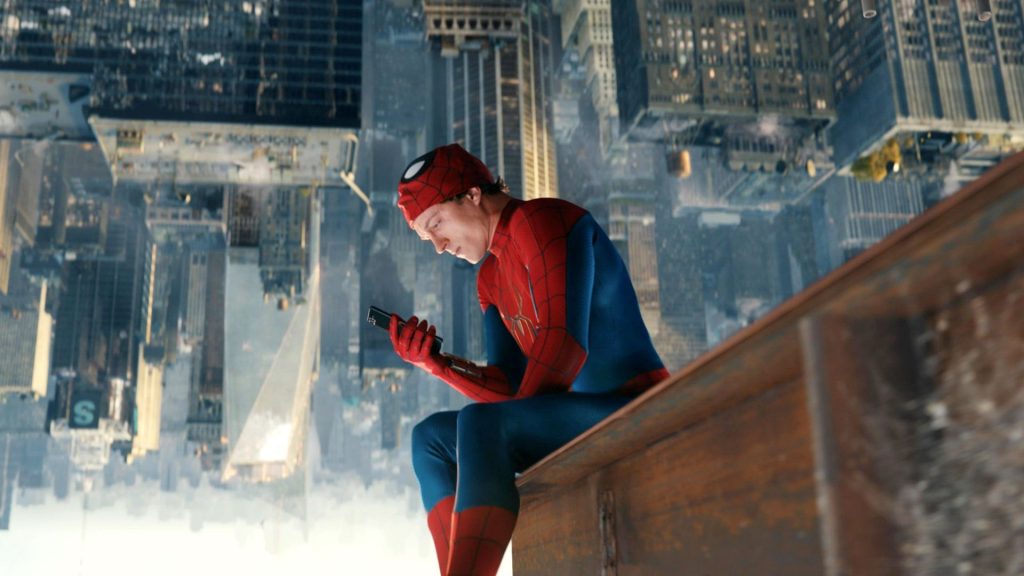
However, it was the subsequent decade that truly solidified Disney’s position as an IP titan. Beginning with the Pixar acquisition, Disney embarked on a strategic buying spree that reshaped the entertainment landscape. In 2009, the company secured Marvel Entertainment for $4 billion, bringing beloved characters like Iron Man, Spider-Man, and the Avengers under its vast umbrella. This was followed by the acquisition of Lucasfilm in 2012 for $4.05 billion, adding the Star Wars and Indiana Jones sagas to its formidable portfolio. The crescendo arrived in 2019 with the colossal $71.3 billion acquisition of 21st Century Fox, which reunited the X-Men and Fantastic Four with their Marvel counterparts and significantly expanded Disney’s film and television assets.
These calculated moves transformed Disney from a revered animation studio into an unparalleled global content provider, boasting the largest IP holding in entertainment history. Modern animated successes like "Frozen" (2013), whose Oscar-winning song "Let It Go" famously rewrote its plot, and "Moana" (2016), featuring the musical genius of Lin-Manuel Miranda, further underscore Disney’s enduring creative vitality.
From its earliest days of betting on sound and feature animation to its audacious acquisition strategy, Disney’s journey is a testament to relentless innovation and a keen understanding of the power of storytelling and beloved characters. The company’s strategic vision has not only built an empire but continues to define the very landscape of global entertainment. For more insights into the cinematic universe, visit thescreescore.com.






Leave a Comment