
Thescreescore – In a revelation that sheds new light on the tumultuous early reception of the Star Wars prequel trilogy, actor Ian McDiarmid, iconic for his portrayal of Emperor Palpatine, has confirmed George Lucas’s uncanny foresight regarding the films’ divisive journey. Speaking at Spacecon 2026, as reported by Popverse, McDiarmid disclosed that Lucas fully anticipated a challenging response from the generation deeply rooted in the original trilogy. Yet, the visionary filmmaker remained unperturbed, having primarily set his sights on captivating a younger demographic – a strategy that ultimately proved prescient in the prequels’ eventual critical re-evaluation and widespread embrace.
McDiarmid recounted Lucas’s perspective, stating, "He wasn’t that sure that the prequels were going to move things forward in terms of audiences. And he saw early on, well, maybe his generation, my generation really, who saw the original movies will be a bit picky. And they were actually, but the kids weren’t. The kids were completely knocked out by it. And he said, ‘Well, I make these films for everybody, but if an 8-year-old is happy, I’ll feel I’ve done my work.’ And that’s what happened with the prequels." This candid insight underscores Lucas’s unwavering commitment to his core audience, prioritizing the wonder and engagement of youth over the nostalgia of established fans.
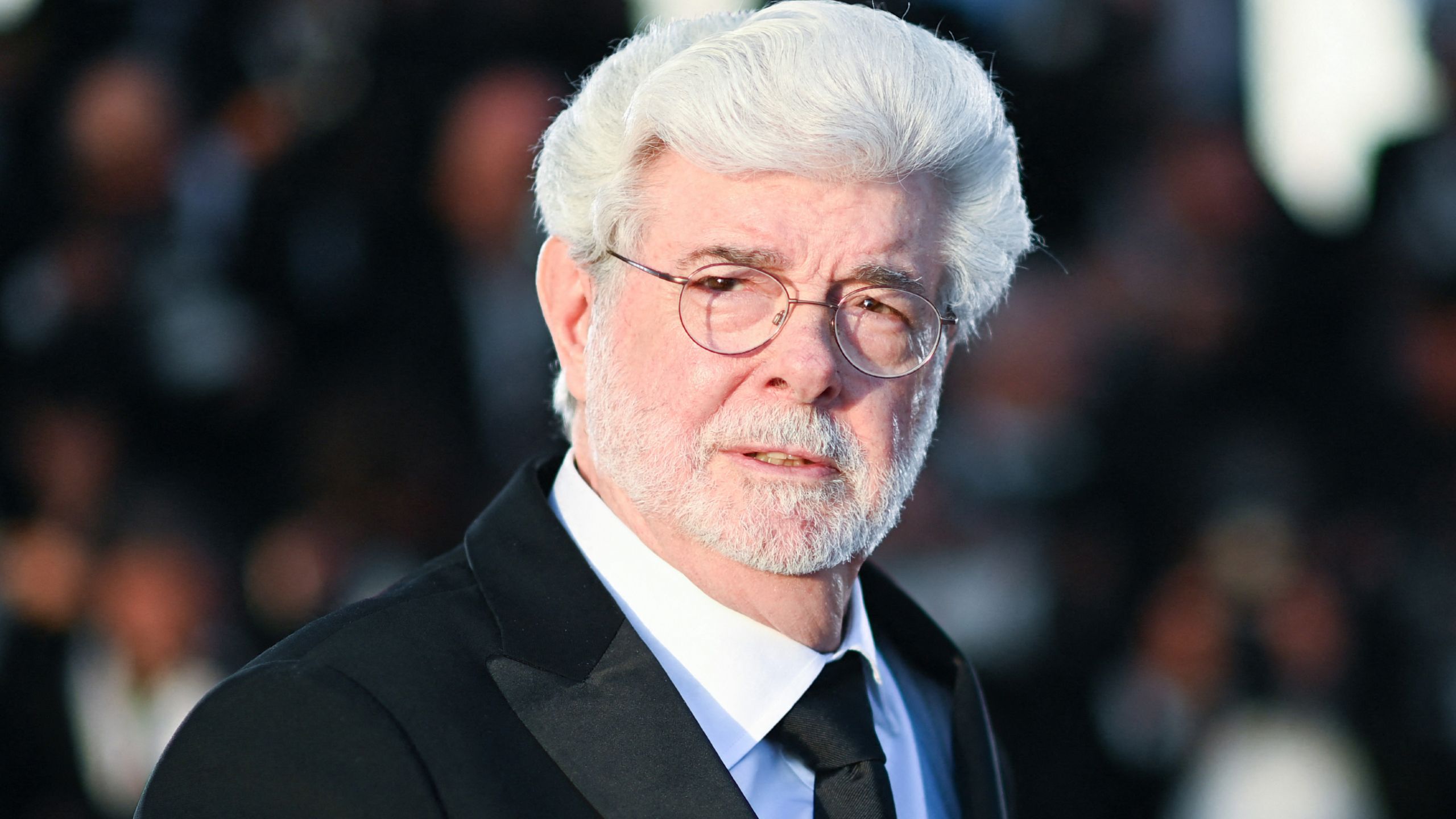
This isn’t the first instance where Lucas has openly characterized Star Wars as fundamentally a "kid’s movie." Beyond mere entertainment, he has consistently articulated his intent for the saga to impart vital lessons and provoke thoughtful questions, guiding younger viewers through the complexities of the world around them. His creative choices, often misunderstood at the time, were rooted in this pedagogical philosophy.

Related Post
Early detractors often cited elements such as the perceived juvenility of Jar Jar Binks, the distinctive dialogue, the pervasive use of computer-generated imagery, the heavy emphasis on galactic politics, and the bold reinterpretation of long-held beliefs about the Star Wars universe as significant points of contention. However, these criticisms never swayed Lucas from his singular creative path. Each of the three prequel films steadfastly embraced these very stylistic and thematic choices, consistently challenging fan expectations about the galaxy far, far away and its inhabitants.
Fast forward to today, and many of these once-maligned elements are not only celebrated but are seen as integral to the saga’s enduring appeal. Ironically, some contemporary Star Wars narratives have even faced criticism for a perceived lack of political depth or a consistent creative vision from inception to conclusion. The acclaimed animated series The Clone Wars, a project Lucas himself conceived and produced, played a pivotal role in this reassessment. It enriched the prequel era with additional context and emotional depth, allowing audiences to forge deeper connections with existing characters while introducing compelling new ones.
The foundation laid by the prequels and The Clone Wars has proven instrumental for a multitude of Star Wars shows released following Disney’s acquisition of Lucasfilm. Series such as Obi-Wan Kenobi, Star Wars Rebels, The Bad Batch, The Mandalorian, Ahsoka, and The Book of Boba Fett all directly expand upon the characters, relationships, time periods, or conceptual frameworks established during the prequel era. The thematic emphasis on intricate political machinations, a hallmark of Lucas’s vision, remains a potent force, particularly evident in the critically lauded and Emmy Award-winning series Andor.
While George Lucas may no longer be actively involved in the day-to-day creative direction of the franchise, his legacy continues to shape the landscape of visual storytelling. This year marks the grand opening of the Lucas Museum of Narrative Art. Developed over many years by Lucas and his wife, Mellody Hobson, this ambitious Los Angeles-based institution, opening its doors on September 22, 2026, stands as a testament to the power of visual narrative in all its forms, with Star Wars representing just one facet of its extensive and diverse exhibits.






Leave a Comment