
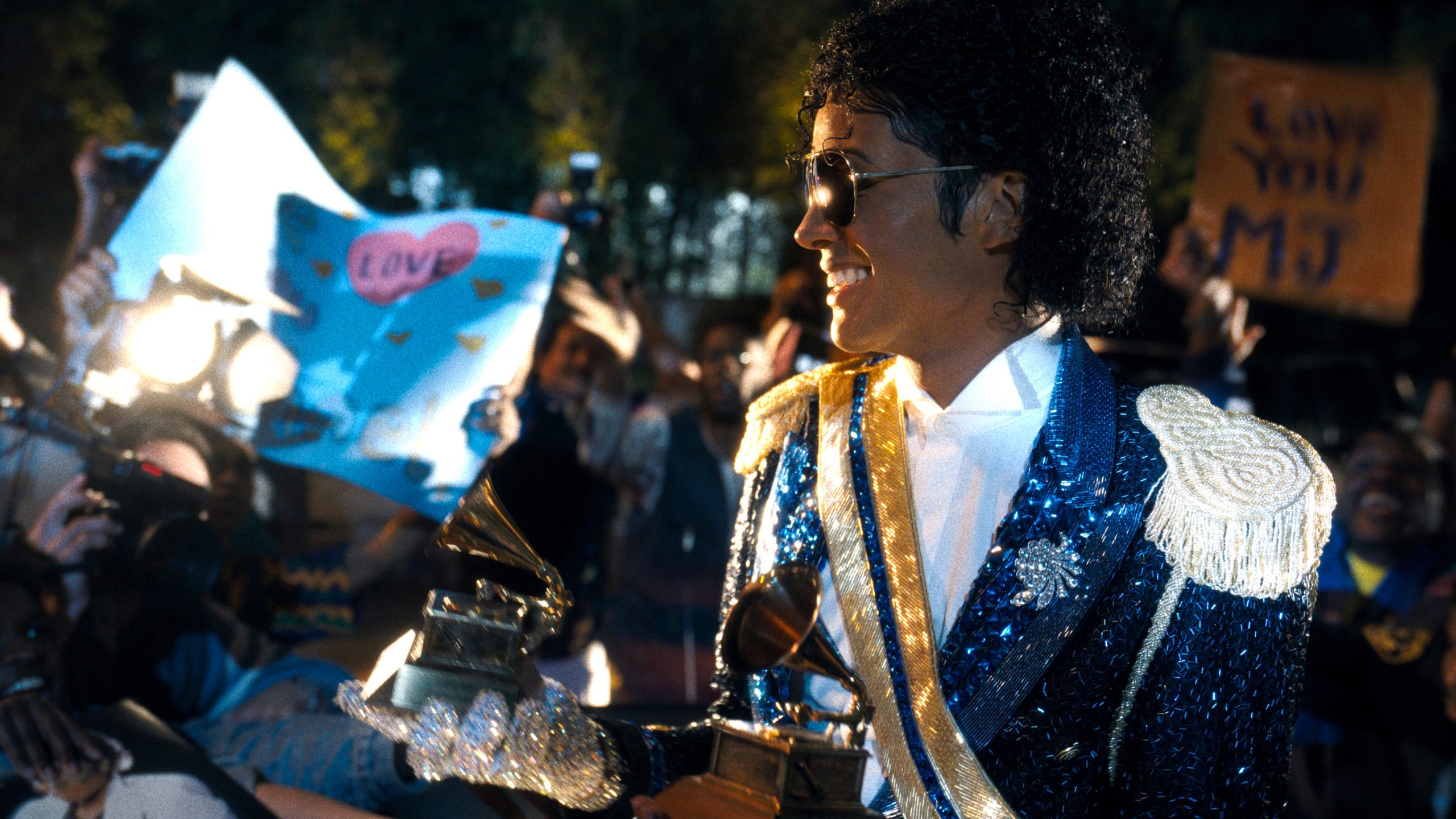
Thescreescore – The much-anticipated Michael Jackson biographical drama, Michael, has captivated audiences, soaring to an impressive 97% audience score on Rotten Tomatoes and dominating the global box office with an estimated $100 million domestically and over $200 million worldwide during its opening weekend. Yet, this resounding public endorsement has not shielded the film from intense scrutiny, particularly regarding its contentious approach to the grave allegations against the King of Pop. Amidst the commercial success, an acclaimed filmmaker has delivered a scathing critique, suggesting that the film’s popularity stems from a collective desire to overlook uncomfortable truths.
(This article contains discussion of sexual abuse.)
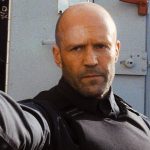
Dan Reed, the director behind the impactful 2019 documentary Leaving Neverland, which detailed the sexual abuse claims made by Wade Robson and James Safechuck against Jackson, recently voiced his profound concerns in an interview with The Hollywood Reporter. Reed took aim at Michael‘s director, Antoine Fuqua, for implying that accusers might be driven by financial opportunism. Reed found this assertion deeply ironic, highlighting that "all the people involved in this movie are just making bank." He questioned the very premise of crafting an "authentic story about Michael Jackson" while conspicuously omitting any mention of the serious accusations of child molestation leveled against him. From Reed’s perspective, the primary beneficiaries of this cinematic endeavor are Jackson’s estate and those directly involved in the film’s production, contrasting sharply with Robson and Safechuck, who, he asserts, "have never made a cent from their accusations." He clarified that legal claims, even those reportedly seeking substantial sums like $400 million, do not yield compensation until a court victory is secured, a milestone the accusers have yet to reach after a decade. While he hadn’t spoken to them directly about the biopic, Reed surmised they couldn’t be "particularly thrilled."

Related Post

Reed further posited that the public’s embrace of Jackson’s music and legacy, evidenced by increased streaming figures post-Leaving Neverland and the launch of the MJ musical, indicates a widespread indifference to the allegations. He contended that "people just don’t care that he was a child molester." According to Reed, despite the lack of serious challenges to the claims presented in Leaving Neverland, the proliferation of "simplistic debunking videos" online has provided audiences with an easy justification to re-engage with Jackson’s music. He emphasized that his aim is not to "cancel" Jackson or his art, but rather to encourage listeners to honestly confront the allegations while enjoying his work. "I just think if you’re going to enjoy his music, let’s also consider the fact that he liked to have sex with children and see how that affects your enjoyment, in all honesty," Reed stated.
The filmmaker also cast a critical eye on media coverage, suggesting that "some of the press is sucking up to the Jackson machine." He attributed this to the estate’s formidable influence, which has historically met criticism with "years of invective and smears," coupled with the significant financial incentives tied to any association with the lucrative Jackson intellectual property. Reed argued that many within the industry might "swallow any misgivings they may have" to align with the film’s success, dismissing it as merely "a great jukebox movie" and overlooking Jackson’s alleged actions. He did not mince words, declaring Jackson "worse than Jeffrey Epstein," characterizing him as "genuinely a very nasty man" who inflicted harm upon numerous children. Reed stressed that artistic genius does not absolve moral failings, asserting that Jackson’s immense wealth and formidable legal team enabled him to evade accountability. The Jackson estate, he concluded, continues to exert a powerful deterrent effect on potential opposition, ensuring that "a lot of people just want to forget about the children and enjoy the music."
This stark divergence in reception is underscored by the film’s critical score on Rotten Tomatoes, a mere 38%, standing in sharp contrast to the audience’s near-perfect rating. Many professional critics have highlighted the film’s problematic refusal to address the accusations, even in its concluding moments. Intriguingly, an earlier iteration of the movie reportedly commenced with a police raid on Jackson’s Neverland Ranch in 1993, following allegations from 13-year-old Jordan Chandler. However, this sequence was ultimately excised due to a legal settlement between Chandler and Jackson, which legally prohibits the case from being depicted in a film, necessitating reshoots.
Looking ahead, Jaafar Jackson, Michael’s real-life nephew who portrays him in the biopic, has expressed openness to reprising the role for a potential sequel. Producer Graham King has also hinted at preliminary ideas, though nothing is officially in development. Should a sequel materialize, it would undoubtedly face an even greater challenge in completely sidestepping the persistent allegations against Jackson, thereby amplifying many of the profound ethical and narrative concerns raised by Reed and other critics. The conversation surrounding Michael continues to highlight the complex interplay between artistic legacy, public memory, and the uncomfortable truths that often lie beneath the surface of celebrity.






Leave a Comment